Tỷ lệ bóng đá, Tỷ lệ kèo nhà cái – Kèo bóng đá trực tuyến hôm nay
Tỷ lệ bóng đá là nơi để người hâm mộ cập nhật nhanh chóng những mức cược hấp dẫn. Mặc dù vậy, không phải ai cũng có thể nắm rõ về cách thức ra kèo nhà cái. Bài viết này của nền tảng sẽ cung cấp thông tin về tỷ lệ bóng đá trực tuyến, tỷ lệ kèo nhà cái tới hội viên một cách chính xác nhất.
BẢNG XẾP HẠNG
▼
#
CLB
Trận
T
H
B
HS
Điểm
Đang nạp dữ liệu bảng xếp hạng...
Top 1-4: Vòng bảng C1 Nhóm xuống hạng
Thông tin cơ bản về tỷ lệ bóng đá trực tuyến
Có thể khẳng định rằng, thuật ngữ tỷ lệ bóng đá quá đỗi quen thuộc trong lĩnh vực cá cược bóng đá. Theo đó, nhà cái đưa ra cho mỗi trận đấu với những tỷ lệ kèo nhất định và riêng biệt cho từng trận đấu.
Thông tin cơ bản về tỷ lệ bóng đá trực tuyến
Không chỉ đóng vai trò trong việc xác định mức cược, điều đó còn giúp người chơi tham khảo và đưa ra những lựa chọn chính xác. Ngoài việc phân tích giỏi, nhà đầu tư còn phải biết lựa chọn tỷ lệ bóng đá trực tuyến chính xác. Từ đó, anh em đưa ra quyết định thông minh.
Đối với những nhà cái uy tín hiện nay, chỉ số thường được cập nhật trước khi trận đấu diễn ra khoảng 1 tuần. Trong thời gian này, các mức cược vẫn có thể thay đổi dựa trên những yếu tố ảnh hưởng tới trận đấu. Để đưa ra tỷ lệ cược hấp dẫn, nhà cái cần sở hữu cho mình đội ngũ chuyên gia phân tích và đánh giá hàng đầu.
Bản chất của bảng tỷ lệ bóng đá trực tuyến là gì?
Tỷ lệ bóng đá (còn gọi là kèo nhà cái, kèo cá cược, Odds) là tập hợp các con số biểu thị tương quan lực lượng giữa hai đội bóng và mức lợi nhuận người chơi nhận được nếu cược chính xác. Các con số này được tạo nên từ hệ thống thuật toán phức tạp cùng dữ liệu phân tích chuyên sâu về phong độ, lịch sử đối đầu, chiến thuật và nguồn tiền đặt cược.
Mục đích chính của bảng tỷ lệ không phải là dự đoán chính xác tuyệt đối tỷ số trận đấu, mà là tạo ra sự cân bằng về dòng tiền cược ở cả hai đầu, giúp nhà cái luôn giữ mức lợi nhuận an toàn qua phần trăm hoa hồng (tiền phế/tiền lai).
Các định dạng tỷ lệ Odds phổ biến và công thức tính tiền
Trên bảng cược trực tuyến, tùy theo thị trường và nhà cái, bạn sẽ gặp các chuẩn hiển thị tỷ lệ Odds khác nhau:
Odds Châu Âu (Decimal Odds): Luôn lớn hơn 1.00.
Công thức: Tiền nhận về = Tiền cược x Tỷ lệ Odds (bao gồm cả gốc lẫn lãi).
Odds Hong Kong (HK Odds): Chỉ tính riêng tiền lãi, lấy mốc Decimal trừ đi 1.
Công thức: Tiền lãi = Tiền cược x Tỷ lệ Odds HK.
Odds Malaysia (MY Odds): Thể hiện cả số dương và số âm.
• Kèo dương: Tiền thắng = Tiền cược x Odds. Nếu thua thì mất trọn vốn.
• Kèo âm (bỏ ít ăn nhiều): Nếu thắng sẽ nhận đủ tiền cược, nếu thua = Tiền cược x |Odds âm|.
Odds Indonesia (Indo Odds): Tương tự như Odds Malay nhưng được quy chuẩn dựa trên đơn vị 1.00.
Chi tiết cách đọc các loại kèo bóng đá thông dụng nhất
1. Kèo Châu Á (Asian Handicap / Kèo Chấp)
Kèo châu Á là hình thức cược phổ biến nhất tại khu vực Đông Nam Á, nơi đội mạnh hơn (cửa trên) chấp đội yếu hơn (cửa dưới) một tỷ lệ bàn thắng nhất định:
Kèo Đồng Banh (0): Hai đội được đánh giá ngang nhau. Đội bạn chọn thắng thì ăn tiền, hòa thì nhà cái hoàn trả vốn (về tiền).
Kèo Đồng Banh Nửa Trái (0.25 / 1/4): • Nếu đội bạn chọn thắng: Ăn đủ tiền.
• Nếu hòa: Đặt cửa trên thua nửa tiền, đặt cửa dưới ăn nửa tiền.
Kèo Chấp Nửa Trái (0.5 / 1/2): Không có trường hợp hòa cược. Cửa trên thắng cách biệt 1 bàn trở lên thì thắng kèo; nếu hòa hoặc thua thì cửa dưới thắng đủ tiền.
Kèo Chấp Nửa Một (0.75 / 3/4): • Cửa trên thắng cách biệt 1 bàn: Cửa trên ăn nửa tiền, cửa dưới thua nửa tiền.
• Cửa trên thắng từ 2 bàn trở lên: Cửa trên ăn đủ tiền.
• Kết quả hòa hoặc cửa dưới thắng: Cửa dưới ăn đủ tiền.
Kèo Chấp 1 Trái (1.0): Cửa trên thắng 1 bàn thì hòa tiền (hoàn cược). Cửa trên thắng cách biệt từ 2 bàn trở lên mới ăn đủ tiền.
Các mốc kèo cao hơn (1.25, 1.5, 1.75, 2.0,...): Quy tắc tính nửa tiền và cả tiền tương tự như các mốc trên.
2. Kèo Châu Âu (1X2)
Phù hợp với người chơi ưa thích sự rõ ràng và đơn giản. Bảng cược cung cấp 3 lựa chọn:
1 (Home): Đặt cược cho đội chủ nhà giành chiến thắng sau 90 phút thi đấu chính thức.
X (Draw): Đặt cược trận đấu kết thúc với kết quả hòa.
2 (Away): Đặt cược cho đội khách giành chiến thắng.
3. Kèo Tài Xỉu (Over/Under - O/U)
Người chơi đặt cược dựa trên tổng số bàn thắng mà cả hai đội ghi được, không phân biệt đội nào thắng:
Tài (Over): Tổng số bàn thắng trong trận lớn hơn mốc nhà cái đưa ra.
Xỉu (Under): Tổng số bàn thắng trong trận nhỏ hơn mốc nhà cái đưa ra.
Mốc 2.0 / 2.5 / 3.0: Cách chia nửa tiền và cả tiền được áp dụng chuẩn xác tương đương theo các tỷ lệ trong kèo Handicap.
Các loại kèo cược phụ hấp dẫn khác
Bên cạnh 3 loại kèo trụ cột, bảng tỷ lệ trực tuyến còn mở rộng rất nhiều thị trường ngách để người chơi khai thác:
Kèo Rung (Running Ball): Kèo được đánh trực tiếp khi bóng đang lăn trên sân. Tỷ lệ cược biến động từng giây tùy theo tình huống nguy hiểm, phạt góc hay thẻ đỏ.
Kèo Phạt Góc (Corner Handicap/Total): Dự đoán tổng số quả phạt góc hoặc đội nào thực hiện nhiều quả phạt góc hơn.
Kèo Thẻ Phạt (Card): Đặt cược số lượng thẻ vàng, thẻ đỏ theo thang điểm quy ước của nhà cái (thường 1 thẻ vàng = 1 điểm, 1 thẻ đỏ = 2 điểm).
Kèo Tỷ Số Chính Xác (Correct Score): Dự đoán chính xác tỷ số chung cuộc (ví dụ 1-0, 2-1). Tỷ lệ trả thưởng (Odds) của loại kèo này cực kỳ cao do độ khó lớn.
Nguyên nhân sâu xa khiến tỷ lệ kèo biến động liên tục
Tỷ lệ kèo không bao giờ "đứng yên". Sự dao động tăng/giảm của mốc chấp hay Odds phụ thuộc vào hai nguồn tác động chính:
Yếu tố thông tin thực tế: • Đội hình ra sân chính thức: Cầu thủ chủ chốt bất ngờ vắng mặt do chấn thương hoặc thẻ phạt.
• Động lực thi đấu: Đội đã chắc suất trụ hạng hay vào vòng trong thường có xu hướng đá giữ chân, tung đội hình phụ.
• Yếu tố ngoại cảnh: Điều kiện mặt sân, thời tiết mưa bão, nhiệt độ ảnh hưởng lớn đến lối đá ban bật hoặc tốc độ trận đấu.
Yếu tố điều tiết từ nhà cái (Cân bảng dòng tiền): Khi người chơi đặt cược quá lệch về một cửa (ví dụ 80% dồn vào đội cửa trên), nhà cái lập tức hạ Odds ăn của cửa đó hoặc nâng tỷ lệ chấp lên để hướng dòng tiền của người chơi sau vào cửa dưới nhằm giảm thiểu rủi ro thua lỗ nặng.
Kinh nghiệm và chiến lược soi kèo trực tuyến từ các chuyên gia
Muốn có lợi nhuận bền vững từ bảng cược bóng đá, bạn không thể trông chờ vào may mắn mà phải xây dựng nguyên tắc đầu tư bài bản:
Nhận diện "Kèo Dụ" (Trap Odds): Nếu một đội bóng danh tiếng gặp đội yếu hơn nhưng tỷ lệ ăn cho đội mạnh lại cao một cách bất thường, hãy cẩn trọng. Đây thường là bẫy của nhà cái đánh vào tâm lý chuộng đội bóng lớn của người chơi phổ thông.
Chọn thời điểm vào kèo hợp lý: Khoảng thời gian từ 30 - 60 phút trước giờ bóng lăn là lúc đội hình xuất phát chính thức được công bố. Đây là lúc tỷ lệ kèo đi vào ổn định nhất và phản ánh đúng cục diện thực tế nhất.
Kỷ luật quản lý vốn nghiêm ngặt: Áp dụng nguyên tắc chia nhỏ vốn. Không đặt quá 5% - 10% tổng ngân sách cho một trận đấu. Tuyệt đối không áp dụng lối chơi "tất tay" (All-in) hay gấp thếp khi tâm lý đang bị ảnh hưởng bởi những trận thua trước đó.
Loại bỏ yếu tố cảm tính: Tuyệt đối không đặt cược cho câu lạc bộ mà mình yêu thích khi phân tích số liệu cho thấy họ đang gặp bất lợi về phong độ hay lực lượng.
Câu hỏi thường gặp về tỷ lệ bóng đá trực tuyến (FAQ)
1. Tỷ lệ kèo hiển thị trước trận đấu bao lâu?
Thông thường, các nhà cái lớn sẽ cập nhật bảng kèo sớm từ 5 đến 7 ngày trước khi trận đấu diễn ra đối với các giải đấu lớn như Ngoại Hạng Anh, Cúp C1, La Liga,... và từ 1 đến 2 ngày đối với các giải đấu nhỏ hơn.
2. Kèo nhấp nháy (nháy đèn liên tục) trên bảng cược có ý nghĩa gì?
Đây là dấu hiệu tỷ lệ ăn (Odds) đang thay đổi rất nhanh do có lượng tiền lớn vừa được đổ vào cửa đó hoặc trên sân đang xảy ra tình huống dẫn đến bước ngoặt (như bàn thắng, thẻ đỏ, penalty). Người chơi nên theo dõi kỹ trước khi xác nhận vé cược.
3. Có nên tham gia đánh kèo rung (running ball) hay không?
Kèo rung mang lại cảm xúc phấn khích và cơ hội ăn tiền nhanh, tuy nhiên rủi ro cực cao do nhịp độ trận đấu thay đổi liên tục. Hình thức này chỉ khuyến khích cho những người chơi có kinh nghiệm đọc trận đấu trực tiếp tốt và giữ được cái đầu lạnh.
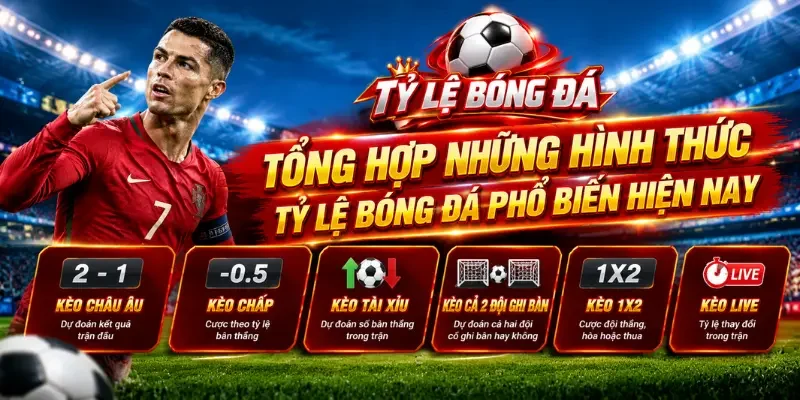
Tổng hợp những hình thức tỷ lệ bóng đá phổ biến hiện nay
Có nhiều hình thức tỷ lệ bóng đá được sử dụng trong các nhà cái trực tuyến. Dưới đây là một vài những kèo nhà cái trực tiếp phổ biến tại / được bet thủ lựa chọn nhiều.
Tổng hợp những hình thức tỷ lệ bóng đá phổ biến hiện nay
Đây là hình thức phổ biến nhất tại thị trường châu Á, đặc biệt ở Việt Nam. Kèo châu Á thường dùng các mức chấp để cân bằng sức mạnh giữa hai đội. Một số dạng kèo chấp điển hình:
Kèo đồng banh (0): Không đội nào chấp, hòa tiền nếu hòa trận.
Kèo 0.25 (1/4): Đội chấp thua nửa tiền nếu hòa.
Kèo 0.5 (1/2): Đội chấp phải thắng cách biệt mới ăn trọn tiền.
Kèo 1, 1.25, 1.5, 2…: Đội mạnh chấp đội yếu với nhiều cấp độ.
Tỷ lệ châu Á thể hiện rõ sự chênh lệch trình độ giữa hai đội và thường đi kèm với tỷ lệ ăn tiền khác nhau cho cửa trên và cửa dưới.
Kèo châu Âu cũng khá phổ biến và thông dụng trên thị trường cá cược hiện nay. Khi tham gia vào loại hình này, mọi người không cần tốn quá nhiều thời gian phân tích. Thay vào đó, anh em chỉ cần lựa chọn một trong 3 kết quả như đội chủ nhà thắng, đội khách thắng và hai đội hòa nhau.
Những ký hiệu tỷ lệ bóng đá của kèo châu Âu mà bet thủ cần lưu ý:
1: Khi cược cửa này tức là bạn sẽ đặt cược cho đội chủ nhà thắng. Nếu kết quả trận đấu diễn ra theo chiều hướng đó thì nhà đầu tư sẽ thắng cược
X: Cửa này đại diện cho việc anh em lựa chọn hai đội hòa nhau chung cuộc. Với trường hợp này, bạn chỉ thắng nếu trận đấu kết thúc với tỷ số hòa
2: Ký hiệu này sẽ đại diện cho cửa đội khách thắng chung cuộc
Kèo 1X2 phù hợp cho người mới vì không có kèo chấp, tuy nhiên yêu cầu người chơi phải dự đoán chính xác kết quả cuối cùng của trận đấu. Tỷ lệ ăn tiền trong kèo châu Âu thường khá hấp dẫn nếu chọn đúng cửa khó.
Ở loại kèo này, người chơi sẽ đặt cược dựa trên số lượng quả phạt góc được thực hiện trong trận. Có hai dạng phổ biến:
Tài/Xỉu phạt góc: Tổng số quả phạt góc của hai đội lớn hơn hay nhỏ hơn mốc nhà cái đưa ra.
Chấp phạt góc: Một đội sẽ chấp đội còn lại về số quả phạt góc.
Loại tỷ lệ bóng đá này rất được ưa chuộng vì dễ theo dõi và ít phụ thuộc vào kết quả trận đấu. Phù hợp với những ai am hiểu về phong cách thi đấu, đặc biệt là các đội ưa tấn công biên.
Đây là kèo cược dựa trên tổng số thẻ vàng hoặc thẻ đỏ mà trọng tài rút ra trong trận. Tương tự như kèo tài xỉu, bạn có thể cược:
Tài/Xỉu thẻ phạt: Tổng số thẻ nhiều hay ít hơn mức nhà cái đưa ra.
Đội nhận nhiều thẻ hơn: Chọn đội sẽ bị phạt nhiều hơn.
Kèo này yêu cầu người chơi phải hiểu được tính chất trận đấu, mức độ căng thẳng, mối thù địch giữa hai đội và phong cách cầm còi của trọng tài.
Kèo rung là hình thức cá cược trực tiếp trong khi trận đấu đang diễn ra. Tỷ lệ kèo sẽ thay đổi liên tục theo diễn biến trên sân, ví dụ như khi có bàn thắng, thẻ phạt, hoặc sự thay đổi chiến thuật.
Ưu điểm: Linh hoạt, có thể tận dụng thời cơ để đặt cược ở thời điểm hợp lý.
Nhược điểm: Đòi hỏi phản xạ nhanh, kinh nghiệm quan sát tốt và dễ bị cuốn theo cảm xúc.
Đây là loại kèo dành cho người chơi có kinh nghiệm và biết kiểm soát cảm xúc khi đặt cược theo diễn biến thực tế.
Kinh nghiệm soi kèo nhà cái và kiểm tra tỷ lệ bóng đá chính xác
Tỷ lệ bóng đá luôn biến động theo thời gian, và việc soi kèo hiệu quả đòi hỏi người chơi phải có tư duy chiến lược, khả năng phân tích trận đấu, cũng như nắm bắt thông tin kịp thời. Dưới đây là những kinh nghiệm soi kèo nhà cái và cách check tỷ lệ chính xác mà bạn không nên bỏ qua.
Kinh nghiệm soi kèo nhà cái và kiểm tra tỷ lệ bóng đá chính xác
Muốn chiến thắng, trước hết phải hiểu ngôn ngữ của nhà cái. Mỗi con số trong bảng tỷ lệ bóng đá đều mang theo ý nghĩa chiến thuật. Các thể loại tất cả đều ẩn chứa mật mã mà nhà cái gửi gắm. Khi đó, người chơi cần có khả năng giải mã chính xác.
Nhà đầu tư hãy chú trọng đến biến động của bảng kèo nhà cái. Bởi vì, sự thay đổi liên tục của tỷ lệ bóng đá thường phản ánh dòng tiền đổ vào trận đấu. Điều đó cũng phản ánh động thái điều hướng của nhà cái. Một sự lệch nhỏ trong tỷ lệ chấp đôi khi trở thành “tiếng nói vô hình” về nội tình hai đội.
Soi kèo nhà cái trực tiếp không thể chỉ nhìn vào chỉ số tỷ lệ bóng đá mà cần đặt trong bối cảnh tổng thể. Anh em hãy nhìn xa hơn mức cược để thấy những điều ẩn giấu. Điều đó được thể hiện như phong độ sân nhà và khách.
Có những đội như mãnh hổ tại thánh địa nhưng lại trở nên bạc nhược khi rời tổ. Bên cạnh đó, lịch dày đặc khiến đội hình dễ rơi vào trạng thái kiệt sức. Nhà cái thường không công khai nhưng người thông minh cần phải nắm bắt.
Trận cầu quyết định suất trụ hạng hay tranh ngôi vương sẽ mang tâm thế hoàn toàn khác biệt so với giao hữu. Chính vì vậy, anh em cần phải hiểu rõ điều này khi tham gia.
Giới cá cược chuyên nghiệp luôn khuyên nhau “tỷ lệ bóng đá ngon chưa chắc đã thơm”. Những trận cầu mà tỷ lệ kèo bóng đá nghiêng hẳn về một cửa có thể trở thành cái bẫy đã được nhà cái giăng sẵn. Cú lừa đầy tinh vi nhắm vào tâm lý số đông muốn giành chiến thắng nhanh chóng.
Nhà đầu tư chú ý đừng để cảm xúc lấn át lý trí. Dẫu có yêu đội bóng đến mấy, anh em đừng cược bằng trái tim. Mọi người hãy cược bằng đầu óc thật tỉnh táo. Khi đó, mọi quyết định đều dựa trên dữ liệu, thống kê và phán đoán chiến lược.
Tỷ lệ bóng đá thường được nhà cái đưa ra sớm trước khi trận đấu bắt đầu, nhưng các con số này có thể thay đổi liên tục. Việc quan sát sự thay đổi này giúp bạn:
Phát hiện kèo dụ: Nếu tỷ lệ ban đầu hấp dẫn, sau đó đột ngột thay đổi một cách bất thường (như tăng tỷ lệ ăn của cửa yếu), hãy cẩn trọng.
Tìm ra thời điểm đặt cược hợp lý: Nhiều cao thủ chọn thời điểm trước giờ bóng lăn 2–3 tiếng vì lúc đó nhà cái thường đã điều chỉnh kèo sát thực tế.
Không nên phụ thuộc vào chỉ một nguồn. Hãy so sánh tỷ lệ bóng đá từ nhiều nhà cái lớn như VIN88, DEBET, ZBET, SIN88,… để có cái nhìn toàn diện và lựa chọn mức cược có lợi nhất.
Một vài nhà cái sẽ đưa ra tỷ lệ cao hơn ở cùng một cửa, điều này giúp bạn tối đa hóa lợi nhuận nếu thắng cược.
Một trong những yếu tố quan trọng trong việc soi kèo bóng đá là đánh giá đúng thực lực hai đội:
Đội hình ra sân chính thức
Phong độ 5 trận gần nhất
Thành tích sân nhà/sân khách
Lịch sử đối đầu
Tình hình chấn thương, thẻ phạt
Tất cả những yếu tố trên có thể ảnh hưởng mạnh đến tỷ lệ bóng đá và kết quả trận đấu.
Thay vì lựa chọn các trận đấu khó đoán hoặc có tính chất căng thẳng, bạn nên tập trung vào:
Trận có đội mạnh vs đội yếu rõ rệt
Giải đấu lớn, thông tin minh bạch
Kèo tài xỉu trong các trận thiên về tấn công
Việc chọn đúng trận sẽ giúp bạn dễ dự đoán và kiểm tra tỷ lệ bóng đá chuẩn hơn.
Kết luận
Tỷ lệ bóng đá đã được làm rõ thông qua bài viết trên đây. Hy vọng với những gì mà nền tảng đã cung cấp, mọi người sẽ tự tin hơn khi tham gia. Để cập nhật những thông tin mới nhất về top nhà cái uy tín, anh em đừng quên thường xuyên ghé thăm vào website của chúng tôi nhé.